Viscose Rayon vs. Polyester: Why Rayon Remains the Crown Jewel of Embroidery Threads
Introduction
In the world of high-end embroidery, the choice of thread can make or break a design. While several synthetic options exist, the debate usually centers on two giants: Viscose Rayon and Polyester.
While polyester is known for its ruggedness, Viscose Rayon embroidery thread remains the "Gold Standard" for luxury fashion, couture, and intricate needlework. At Shanghai Samsun, we believe that for brands prioritizing aesthetics, tactile elegance, and premium branding, Viscose Rayon is the irreplaceable choice. Here is why.
1. The Aesthetic Winner: Luster and Depth
The most immediate difference lies in how these threads interact with light.
-
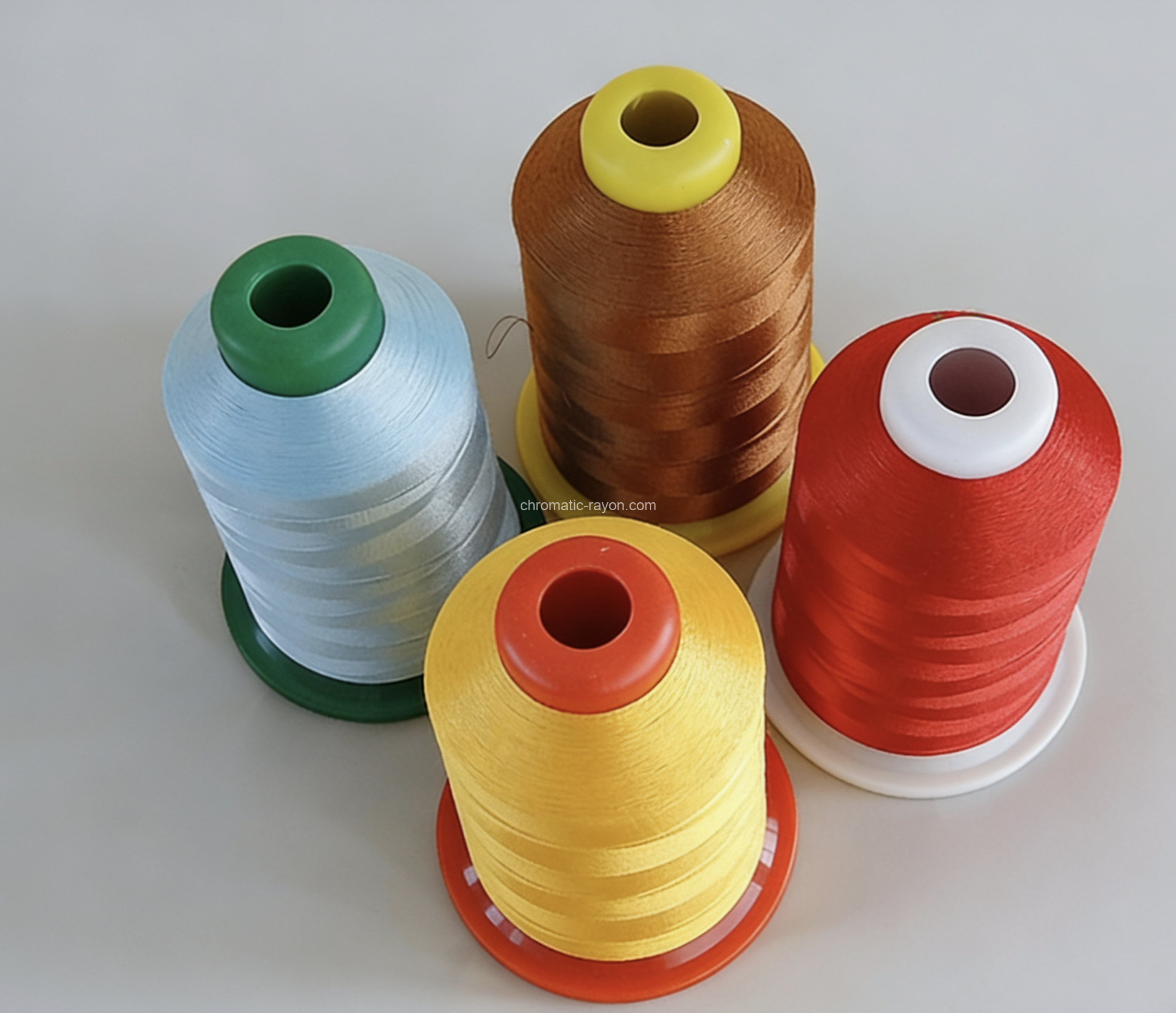
Viscose Rayon: Has a natural, deep, and multidimensional luster. Because it is a regenerated cellulose fiber, it reflects light in a way that mimics natural silk. The colors appear richer and more "chromatic."
-
Polyester: Typically has a more metallic, "plastic-like" shine. It can sometimes look overly synthetic under bright retail lighting.
The Verdict: If your design requires a sophisticated, high-end glow rather than a flashy glare, Rayon is the winner.
2. Hand-Feel and Flexibility (Drape)
For embroidery on delicate fabrics or high-wear garments, the "hand-feel" is critical.
-
Viscose Rayon: Known for being incredibly soft and flexible. It has a low "loop memory," meaning it lays flat and follows the contours of the fabric perfectly. This prevents the embroidery from feeling stiff or abrasive against the skin.
-
Polyester: Being a stiffer synthetic fiber, it can sometimes cause the embroidered area to feel rigid or "stand up" away from the garment, which can be uncomfortable in intimate apparel or lightweight T-shirts.
3. Heat Resistance and Skin Comfort
-
Heat Tolerance: Viscose Rayon does not melt. It can withstand high ironing temperatures, which is essential for garments that require professional pressing. Polyester, as a plastic-based fiber, has a lower melting point and can be damaged by a hot iron.
-
Anti-Static: Rayon is naturally anti-static and more absorbent than polyester, making it cooler and more comfortable for skin-contact embroidery.
4. Technical Comparison at a Glance
| Feature | Viscose Rayon Thread (Samsun) | Polyester Embroidery Thread |
|---|---|---|
| Visual Effect | Elegant, Silk-like Sheen | High Shine / Synthetic Look |
| Touch/Feel | Ultra-Soft & Flexible | Stiff / Slightly Rough |
| Dye Vibrancy | Deep & Organic Tones | Bright but Artificial |
| Heat Resistance | Excellent (Doesn’t Melt) | Risk of Melting under Iron |
| Production Speed | Optimized for High-Speed Machines | High (Very durable) |
| Best For | Luxury Fashion, Corporate Logos | Workwear, Bleached Linens |
5. Why Choose Shanghai Samsun Viscose Rayon Thread?
At Shanghai Samsun, we have perfected the spinning and lubrication of our Rayon threads to ensure they perform flawlessly on modern, high-speed multi-head embroidery machines.
-
Low Friction Technology: Our threads are treated with a proprietary lubricant to reduce thread breaks and needle heat.
-
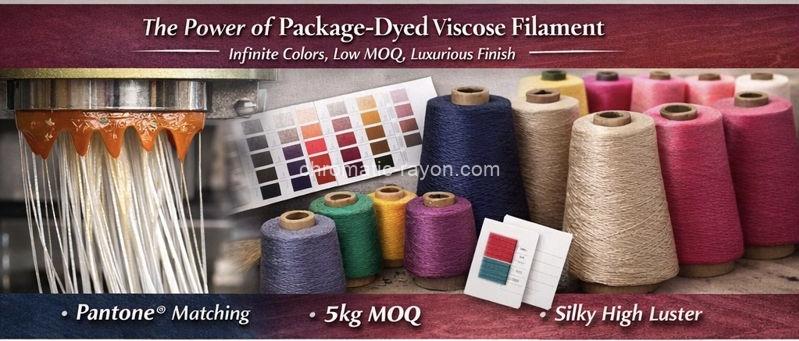
Pantone® Precision: We offer an expansive library of pre-dyed shades with incredible color consistency across batches.
-
Sustainability: Our viscose is sourced from renewable wood pulp, offering a more eco-friendly profile than petroleum-based polyester.
Conclusion: When to Choose Rayon?
While polyester has its place in industrial workwear or items subjected to heavy bleaching (like hotel towels), Viscose Rayon is the undisputed choice for:
-
High-end fashion labels and boutique collections.
-
Intricate lace and decorative embroidery.
-
Corporate apparel where the logo must look expensive and professional.
Elevate Your Embroidery Designs
Don’t let your craftsmanship be limited by the material. Experience the silk-like brilliance of Shanghai Samsun Viscose Rayon Embroidery Thread.
👉 [Explore Our Rayon Embroidery Thread]
👉 [Request a Quote for Bulk Wholesale Orders]
👉 [Download the Technical Data Sheet for Machine Settings]
Applications (1) Company (1) Product insights (9) Yarn & Fiber Basics (2)